Physiological benefits may be experienced by veterans with PTSD who use service dogs
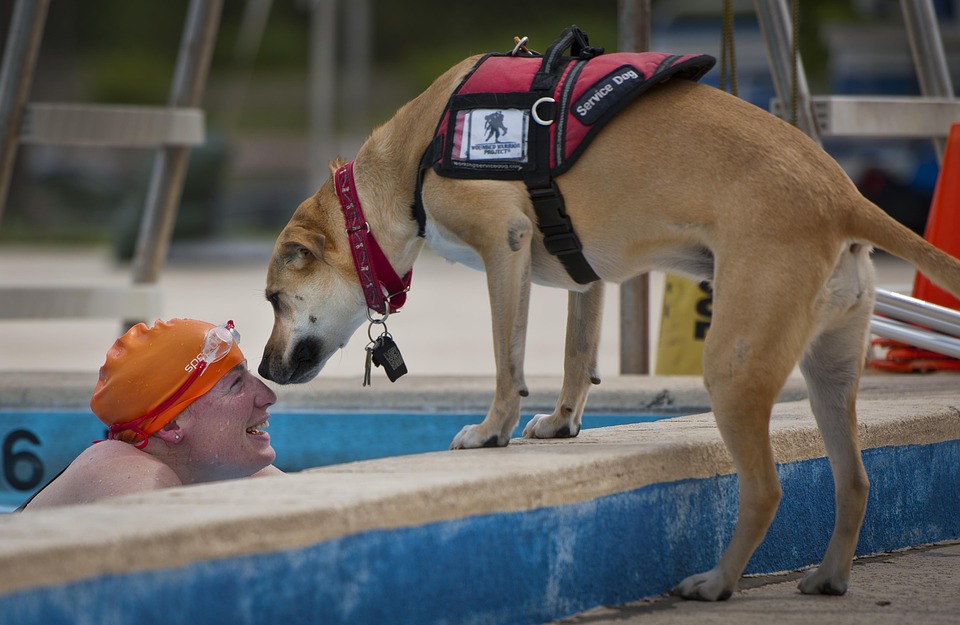
A new study shows how veterans with PTSD may benefit physiologically from using service dogs.
This study, led by the Purdue University College of Veterinary Medicine, is the first published research to use a physiological marker to define the biobehavioral effects of service dogs on veterans with PTSD.
The findings were published in the journal Psychoneuroendocrinology, and they may be significant as scientific evidence of potential mental health benefits experienced by veterans with PTSD who have service dogs.
"Our long-term research goal is to quantify how service dogs may affect the health and well-being of military members and veterans with PTSD," O'Haire said.
The next step, already underway, involves a large-scale National Institutes of Health clinical trial in which the researchers are studying veterans with and without service dogs over an extended period of time.
Purdue University. "Physiological benefits may be experienced by veterans with PTSD who use service dogs." ScienceDaily. ScienceDaily, 12 June 2018. <www.sciencedaily.com/releases/2018/06/180612083633.htm>.
Journal Reference:
Kerri E. Rodriguez, Crystal I. Bryce, Douglas A. Granger, Marguerite E. O’Haire. The effect of a service dog on salivary cortisol awakening response in a military population with posttraumatic stress disorder (PTSD). Psychoneuroendocrinology, 2018; DOI: 10.1016/j.psyneuen.2018.04.026